
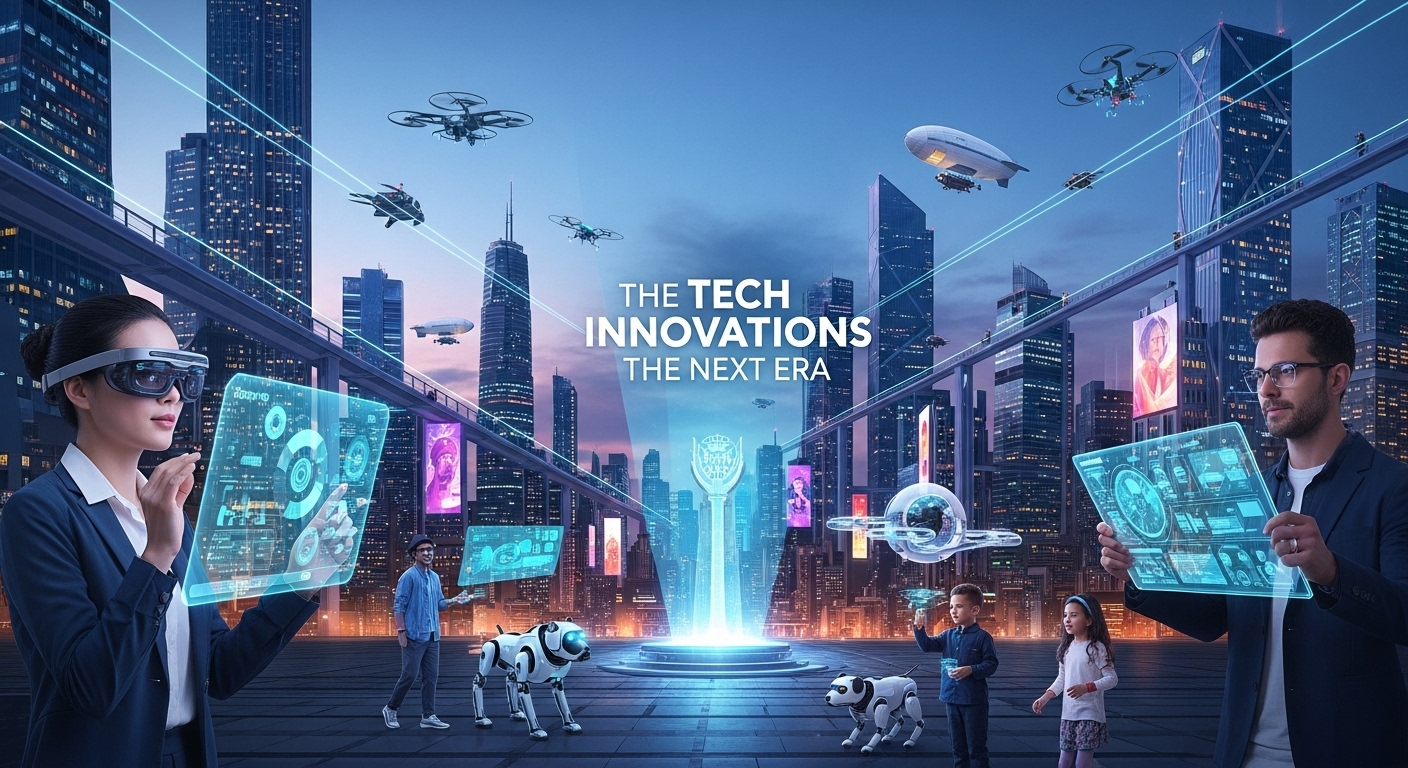
Technology is no longer just a tool; it has become an inseparable part of our daily lives, shaping the way we work, communicate, learn, and even think. From the earliest days of simple machines to today’s advanced artificial intelligence and quantum computing, technology continues to redefine the boundaries of human potential. In this post, we explore the transformative power of technology, the trends driving innovation, and how these advancements are influencing every aspect of modern society.
The Foundations of Modern Technology
Understanding modern technology requires a look at its foundational principles. At its core, technology is about solving problems using tools and systems. Early humans used simple tools like stone axes and fire to meet basic survival needs. Over time, these tools evolved into complex machines, leading to the Industrial Revolution, which marked a turning point in technological progress. Factories, mechanized production, and the steam engine revolutionized industries and economies worldwide.
The digital age further accelerated this transformation. The invention of the computer, the internet, and mobile devices introduced a level of connectivity and computational power that was previously unimaginable. Today, the fusion of software, hardware, and network systems forms the backbone of our technological landscape, enabling innovations that touch every facet of life.
Artificial Intelligence: Redefining Intelligence
One of the most revolutionary areas of technology today is artificial intelligence (AI). AI systems can analyze vast amounts of data, recognize patterns, and make decisions at speeds and accuracies far beyond human capabilities. Machine learning, a subset of AI, allows computers to improve their performance over time without explicit programming.
AI is transforming industries in profound ways. In healthcare, AI algorithms assist in diagnosing diseases, predicting patient outcomes, and even suggesting treatment plans. In finance, AI detects fraudulent activities, analyzes market trends, and automates trading strategies. Even creative fields like music, art, and writing are experiencing an AI-driven transformation, where machines collaborate with humans to produce innovative works.
However, AI also brings challenges. Ethical concerns about bias, privacy, and accountability are rising. There is an ongoing debate about AI replacing human jobs versus augmenting human capabilities. Striking a balance between innovation and responsible use remains one of the central challenges of AI development.
The Rise of Quantum Computing
While classical computers have served humanity well, they face limitations when tackling extremely complex problems. Quantum computing offers a paradigm shift. Unlike traditional computers that use bits (0 or 1), quantum computers use qubits, which can exist in multiple states simultaneously due to superposition. This allows quantum computers to perform certain calculations exponentially faster than classical systems.
Quantum computing has enormous potential in areas like cryptography, materials science, and drug discovery. For example, quantum simulations can model molecular interactions at an unprecedented level of detail, potentially leading to breakthroughs in medicine and sustainable materials. While quantum computers are still in their early stages, their long-term impact could be transformative, redefining computing as we know it.
The Internet of Things: Connecting Everything
The Internet of Things (IoT) refers to the network of physical devices connected to the internet, capable of collecting and exchanging data. Everyday objects—from smart thermostats to wearable fitness trackers—are now part of this interconnected ecosystem.
IoT offers immense benefits. In smart homes, IoT devices optimize energy usage, enhance security, and provide convenience. In industrial settings, IoT sensors monitor machinery, predict maintenance needs, and increase efficiency. Even cities are becoming smarter, using IoT-enabled infrastructure to manage traffic, reduce energy consumption, and improve public safety.
However, IoT also introduces risks. Security vulnerabilities in connected devices can expose sensitive data or provide entry points for cyberattacks. As IoT continues to expand, ensuring robust security protocols and data privacy is crucial.
Cloud Computing: Empowering Global Collaboration
Cloud computing has revolutionized how we store, access, and process data. Instead of relying on local servers, cloud platforms provide scalable infrastructure over the internet, enabling businesses and individuals to work from anywhere.
Cloud services have facilitated collaboration on a global scale. Teams across continents can work on shared documents, run simulations, and manage projects in real time. Businesses benefit from reduced IT costs, flexible scalability, and access to cutting-edge technologies like AI and big data analytics.
Moreover, cloud computing supports the rise of digital startups, allowing small companies to compete with established enterprises without investing heavily in infrastructure. The cloud has truly democratized technology, making advanced tools accessible to anyone with an internet connection.
Cybersecurity: Protecting the Digital Frontier
As technology advances, so do the threats that come with it. Cybersecurity has become a critical aspect of the modern digital ecosystem. From ransomware attacks targeting businesses to phishing schemes aimed at individuals, cyber threats are evolving in complexity and scale.
Organizations invest heavily in cybersecurity to protect sensitive data, ensure regulatory compliance, and maintain trust with customers. Technologies such as encryption, multi-factor authentication, and AI-driven threat detection are key tools in this fight. Equally important is the cultivation of a culture of security awareness among users, as human error remains one of the most common vulnerabilities.
Blockchain and the Future of Decentralization
Blockchain technology, popularized by cryptocurrencies, offers a decentralized approach to data management. Unlike traditional centralized databases, blockchain records information across multiple nodes, ensuring transparency, security, and immutability.
Beyond finance, blockchain has applications in supply chain management, healthcare, voting systems, and digital identity verification. For instance, blockchain can track the provenance of goods, prevent counterfeit products, and streamline logistics. While blockchain is still maturing, its potential to create more transparent and trustless systems is undeniable.
The Evolution of Mobile Technology
Mobile technology has reshaped the way we communicate, work, and access information. Smartphones are no longer just communication devices; they are powerful computing tools that integrate cameras, sensors, AI, and connectivity into a single device.
Mobile applications have transformed industries, from social media and entertainment to education and healthcare. Mobile banking and digital wallets have revolutionized financial access, particularly in regions with limited traditional banking infrastructure.
As 5G networks roll out globally, mobile devices will become even more capable, supporting faster speeds, lower latency, and enabling new technologies such as augmented reality and autonomous vehicles.
Augmented Reality and Virtual Reality: Immersive Experiences
Augmented reality (AR) and virtual reality (VR) are redefining human interaction with digital environments. AR overlays digital information onto the physical world, enhancing our perception and understanding. VR creates fully immersive digital experiences, transporting users to entirely virtual environments.
These technologies have practical applications in gaming, education, healthcare, and industrial training. Surgeons use AR to visualize complex anatomy during operations, while architects employ VR to simulate building designs before construction. The immersive nature of these technologies opens new possibilities for learning, entertainment, and collaboration.
Green Technology: Innovating for Sustainability
As global concerns about climate change intensify, green technology has emerged as a critical focus area. Innovations in renewable energy, energy-efficient devices, and sustainable materials aim to reduce environmental impact while supporting economic growth.
Solar and wind energy technologies are becoming more efficient and cost-effective, while electric vehicles are reshaping transportation. Smart grids, energy storage solutions, and sustainable manufacturing processes contribute to a more sustainable future. Technology is no longer just about convenience and productivity; it is increasingly about preserving the planet for future generations.
The Role of Technology in Education
Technology has transformed education from a classroom-centric model to a global, interactive experience. Online learning platforms, virtual classrooms, and AI-powered tutoring systems have made education more accessible and personalized.
Students can access resources from anywhere in the world, while educators can leverage analytics to understand learning patterns and tailor instruction. Gamification, AR, and VR enhance engagement, making learning interactive and enjoyable. Technology is not replacing teachers; it is empowering them to deliver more effective and engaging education.
Ethical Considerations in Technological Advancement
With great power comes great responsibility. As technology advances, ethical considerations become paramount. Issues such as data privacy, AI bias, digital surveillance, and the environmental impact of technology require careful attention.
Ethical frameworks, regulatory guidelines, and public awareness are essential in guiding the responsible development and deployment of technology. The goal is not to stifle innovation but to ensure that technological progress benefits humanity as a whole without causing unintended harm.
The Future of Technology: Trends to Watch
The pace of technological change shows no signs of slowing. Some key trends to watch in the coming years include:
- AI and Automation: AI will continue to augment human capabilities, automate repetitive tasks, and create new opportunities across industries.
- Biotechnology: Advances in gene editing, personalized medicine, and synthetic biology will transform healthcare and agriculture.
- Space Technology: Private space exploration, satellite networks, and lunar missions will open new frontiers for humanity.
- Advanced Robotics: Robots will take on more sophisticated roles in manufacturing, healthcare, and daily life.
- Edge Computing: Processing data closer to the source will enhance speed, reduce latency, and enable real-time applications.
The future promises a seamless integration of technology into every aspect of life, where innovation will continue to redefine the possible.
Conclusion
Technology is not just a tool for progress; it is a transformative force that shapes the way we live, work, and interact with the world. From AI and quantum computing to IoT and green innovations, technology is driving humanity toward a future that is more connected, intelligent, and sustainable.
However, with these advancements come challenges that require careful consideration, including ethics, security, and sustainability. Embracing technology responsibly ensures that it remains a force for good, enabling individuals and societies to thrive in a rapidly evolving world.
The story of technology is far from over. Each innovation builds upon the last, creating opportunities and challenges in equal measure. As we navigate this exciting landscape, one thing is clear: technology is not just shaping the future—it is shaping us.