
Introduction to Modern Technology
Technology has become an inseparable part of human civilization, shaping the way we live, communicate, work, travel, and even think. From simple stone tools invented by early humans to the advanced artificial intelligence systems of today, technology has been the key driver of progress. The modern era is uniquely defined by rapid advancements that appear almost daily. Devices that were once considered luxury items have now become essential tools in everyday life. The smartphone is no longer just a communication device but a handheld computer, entertainment system, and personal assistant.
As society continues to evolve, so does the demand for smarter, faster, and more efficient technologies. This constant hunger for innovation leads to new breakthroughs in computing, artificial intelligence, automation, energy, medicine, and more. Technology does not wait. It moves forward relentlessly, inviting humanity to adapt or fall behind. This blog explores the vast landscape of technology today, touching on digital transformation, artificial intelligence, cloud computing, cybersecurity, smart devices, and what the future holds for humanity.
The Rise of Digital Transformation
Digital transformation refers to the process where businesses, governments, and individuals adopt digital tools to improve their processes and services. In the past, companies relied on pen and paper systems to manage data, but today digital systems have replaced traditional methods entirely. Banking, shopping, education, healthcare, and transportation are now deeply integrated with technology.
Businesses use digital platforms to reach customers globally. Online stores allow people to shop from the comfort of their homes, while digital payment systems have made transactions easier and faster. Workplaces now rely on software and cloud services instead of filing cabinets and physical paperwork. Video conferencing tools enable remote collaboration, letting teams work from different parts of the world.
Governments are also embracing digital transformation by offering online services for taxes, identity registration, healthcare appointments, and more. This reduces physical visits to government offices, making life easier for citizens. In education, digital platforms allow students to access lessons, assignments, and exams from anywhere. Remote learning has become a standard option for many institutions.
Artificial Intelligence and Machine Learning
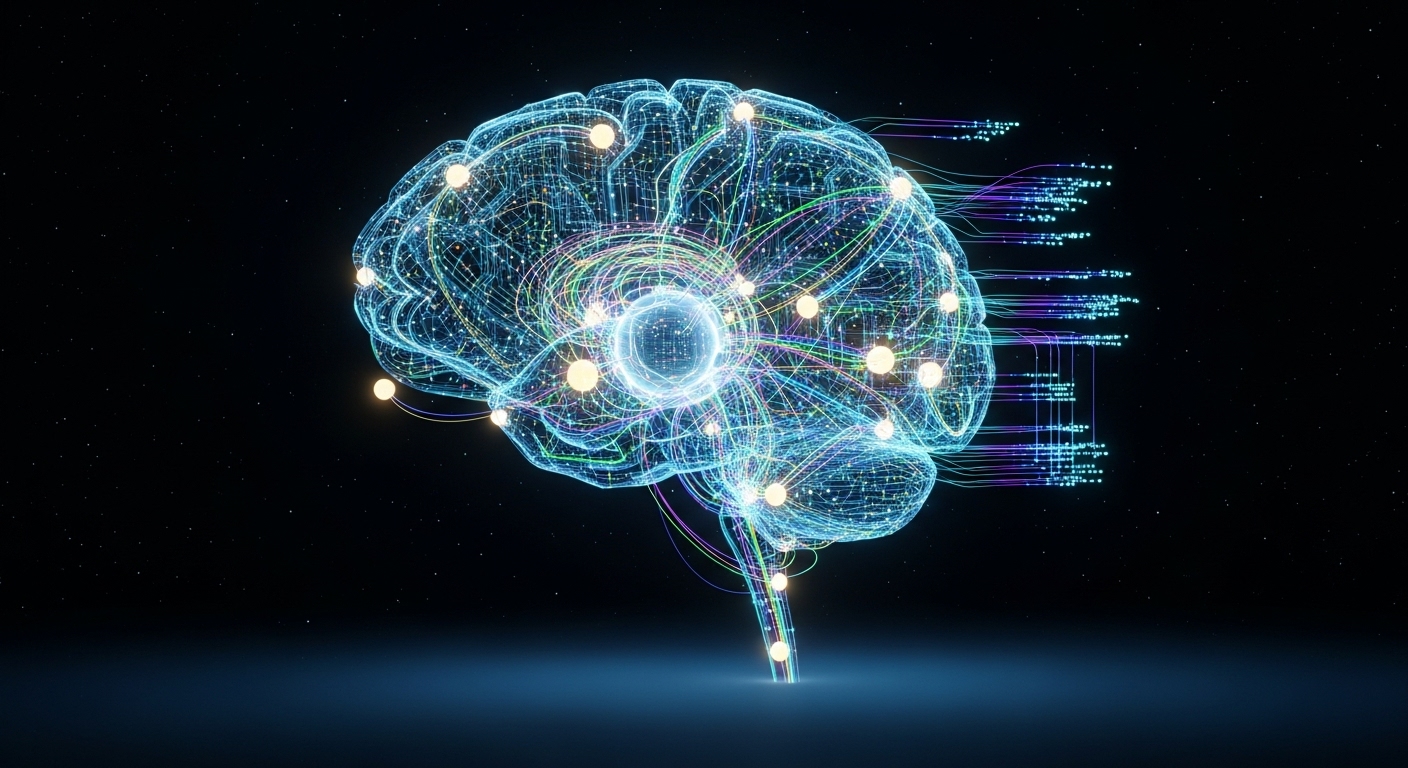
Artificial intelligence is one of the most impactful technological advancements of our time. It involves creating machines that can perform tasks that usually require human intelligence. Machine learning, a branch of AI, allows systems to learn from data and improve over time without being explicitly programmed.
AI is present in many everyday applications. Virtual assistants in smartphones understand voice commands, answer questions, and perform tasks. Streaming platforms use AI to recommend movies and shows based on user preferences. Navigation apps analyze traffic data to suggest the fastest routes.
In industries, AI automates complex processes such as data analysis, quality control, and customer support. Chatbots can handle customer inquiries efficiently, reducing the workload of human employees. In healthcare, AI helps detect diseases by analyzing medical images, sometimes with better accuracy than human doctors.
Machine learning models require large amounts of data to train. Once trained, they can recognize patterns and make predictions. For example, AI systems can predict stock market trends, diagnose illnesses, detect fraud, or personalize advertisements. AI is not just about automation; it also enables creativity. Tools now generate artwork, music, and even human-like writing.
The Power of Cloud Computing
Cloud computing allows individuals and businesses to store and access data and applications over the internet instead of physical devices. This means that files can be accessed from anywhere with an internet connection. Cloud services offer storage, computing power, and software on demand.
Cloud computing has changed the way companies operate. Instead of investing in expensive servers and infrastructure, businesses can rent computing resources from cloud providers. This reduces costs and provides flexibility. If a company needs more storage or processing power, it can easily scale up without buying new hardware.
There are different types of cloud services. Infrastructure as a Service provides virtual machines and storage. Platform as a Service offers tools for developers to build applications. Software as a Service delivers software through the internet, such as email services, document editors, and customer management systems.
Cloud computing also supports remote work by enabling collaboration tools and document sharing. Data can be backed up automatically, reducing the risk of data loss. Many businesses rely on the cloud to store confidential information securely, with encryption and authentication systems protecting it from unauthorized access.
Cybersecurity and Digital Safety
As reliance on technology grows, so do threats to digital security. Cybersecurity is the practice of protecting systems, networks, and data from digital attacks. These attacks can result in data theft, financial loss, or damage to a company’s reputation.
Hackers use various techniques to access systems. Phishing involves tricking users into revealing passwords or personal information. Malware infects devices and can steal data or damage files. Ransomware locks a user’s files and demands payment to restore access.
To combat these threats, organizations invest in cybersecurity tools such as firewalls, antivirus software, and encryption. Employees are trained to recognize suspicious emails and maintain strong passwords. Regular software updates fix security vulnerabilities, making it harder for attackers to exploit systems.
Individuals also play a role in cybersecurity. Using unique passwords, enabling two-factor authentication, and being cautious when sharing information online helps protect personal data. As technology continues to evolve, cybersecurity must stay one step ahead to ensure digital safety.
Smartphones and the Mobile Revolution
Smartphones have changed the way people interact with technology. These pocket-sized devices combine communication, entertainment, productivity, and information in one platform. They have replaced traditional phones, cameras, calculators, maps, and even computers for many users.
Modern smartphones are equipped with powerful processors, high-resolution cameras, and advanced operating systems. They allow users to browse the internet, play games, send emails, and manage tasks. Mobile apps have become a major part of daily life, providing services such as banking, shopping, learning, and transportation.
Social media platforms thrive on smartphones, connecting people across the world in real time. Users can share photos, videos, and thoughts instantly. Mobile technology has also influenced photography and videography. Many content creators use smartphones to produce high-quality media without expensive equipment.
The mobile revolution has created new industries and job opportunities. App development, digital marketing, and mobile gaming are rapidly growing sectors. However, it has also introduced challenges such as screen addiction, privacy concerns, and the spread of misinformation.
The Internet of Things and Smart Devices
The Internet of Things refers to a network of devices connected to the internet that can collect and share data. These devices include smart home appliances, wearable technology, vehicles, and industrial machines. They communicate with each other and can be controlled remotely.
In smart homes, devices such as lights, thermostats, and security cameras can be controlled using smartphones or voice commands. Smart speakers allow users to play music, check the weather, or control appliances using voice assistants. These devices make daily tasks more convenient and efficient.
Wearable technology, such as smartwatches and fitness trackers, monitors physical activities, heart rate, sleep patterns, and more. People use them to stay healthy and track their fitness goals. In healthcare, IoT devices help doctors monitor patients remotely by collecting data and sending alerts when necessary.
In industries, IoT improves productivity and efficiency. Machines equipped with sensors can detect issues before they cause failure. This reduces downtime and maintenance costs. Smart agriculture uses IoT to optimize irrigation, monitor soil conditions, and increase crop yield.
However, the growing number of connected devices also increases security risks. If not properly protected, IoT devices can be hacked, compromising personal data and even physical safety.
Automation and Robotics
Automation refers to using machines and software to perform tasks without human intervention. Robotics is a branch of technology that deals with designing and building robots. Together, they are transforming industries by increasing efficiency and reducing human error.
In manufacturing, robots assemble products with precision and speed. They handle repetitive tasks, allowing humans to focus on more complex work. Automated production lines produce cars, electronics, and other goods faster than manual labor.
In agriculture, robots can plant seeds, harvest crops, and monitor fields. Drones fly over farms to capture images and collect data about soil and crop health. Automation increases productivity and reduces labor costs.
Service robots are used in hotels, hospitals, and restaurants. They deliver food, assist patients, and provide information to guests. In warehouses, robots move inventory, improving logistics and supply chain management.
While automation offers many benefits, it also raises concerns about job losses. Some tasks performed by humans may become obsolete. However, automation also creates new job opportunities in programming, maintenance, and system management.
Future of Technology and Human Society
The future of technology holds limitless possibilities. Artificial intelligence will become more advanced, possibly reaching a point where machines can think and learn like humans. Quantum computing could solve complex problems faster than traditional computers. Renewable energy technologies will help reduce the impact of climate change.
Space exploration is gaining momentum, with missions aimed at exploring the Moon, Mars, and beyond. Private companies are working on reusable rockets and space tourism. Technology may one day allow humans to live on other planets.
In medicine, biotechnology and genetic engineering will lead to personalized treatments and possibly cure diseases that are currently incurable. 3D printing of organs could save lives by providing replacements for damaged tissues.
However, future technologies also bring ethical challenges. Questions about data privacy, AI decision-making, and human identity must be addressed. It is important to ensure that technology benefits everyone and does not create inequality.
Conclusion
Technology is the backbone of modern society. It impacts every aspect of life, from communication and transportation to health and entertainment. Its rapid evolution offers countless benefits but also presents new challenges. Understanding technology helps individuals make informed decisions and adapt to future changes.
The world of technology is vast and constantly changing. What seems advanced today may become outdated tomorrow. Innovation never stops, and humanity must continue learning, evolving, and embracing new possibilities. The journey of technology is far from over, and the next chapter is waiting to be written.