
Introduction
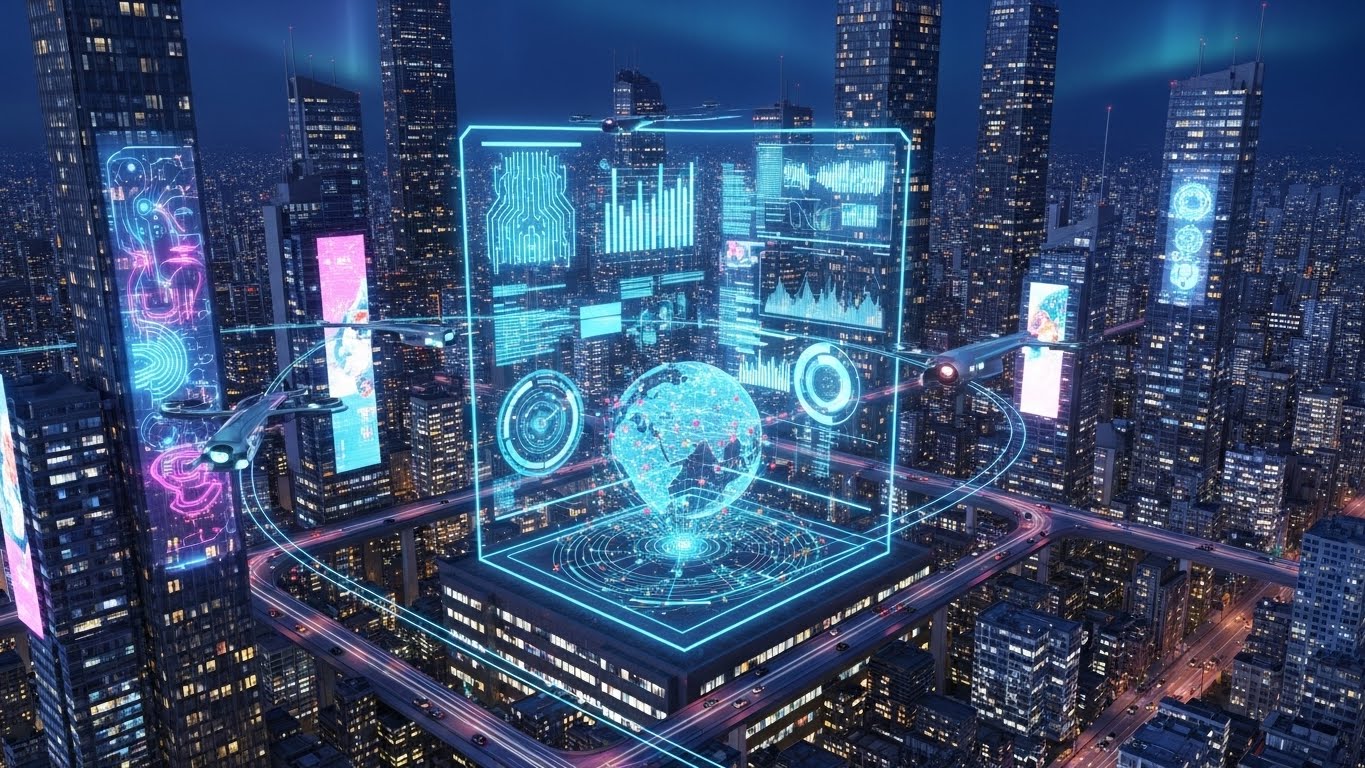
Technology is the driving force behind the rapid transformation of human society. From communication and transportation to healthcare and entertainment, technology touches nearly every aspect of our daily lives. It accelerates progress, improves efficiency, and enables unprecedented access to information and services. In the modern era, technological innovation is no longer just a tool but a defining element of culture, economy, and global connectivity. Understanding the evolution, impact, and future of technology provides insight into how human civilization adapts and thrives in an increasingly digital world.
The Evolution of Technology
Technology has evolved dramatically over centuries, shaping human civilization from simple tools to complex digital systems. Early technological developments, such as the wheel, printing press, and steam engine, revolutionized transportation, communication, and industry. The 20th century brought the rise of computers, the internet, and mobile devices, fundamentally altering how people live and work. Each technological breakthrough has expanded the boundaries of human potential, enabling faster communication, improved healthcare, and access to vast stores of information. Today, emerging technologies such as artificial intelligence, robotics, and quantum computing continue to redefine the limits of innovation and human capability.
The Role of Technology in Modern Society
Technology plays a central role in shaping modern society by influencing communication, work, education, and social interaction. Digital communication tools, including smartphones, social media, and video conferencing, allow people to connect instantly across continents. Automation and artificial intelligence improve productivity in industries ranging from manufacturing to finance. In education, technology provides access to online learning, virtual classrooms, and interactive resources, making knowledge more accessible than ever. Technology also enhances entertainment, from streaming services and gaming platforms to virtual reality experiences. Its pervasive presence underscores its role as both a facilitator and a driver of societal progress.
Artificial Intelligence and Machine Learning
Artificial intelligence (AI) and machine learning are transforming industries and redefining human-machine interaction. AI systems can analyze vast amounts of data, detect patterns, and make predictions, enabling applications in healthcare, finance, logistics, and more. Machine learning allows systems to learn from experience, improving accuracy and efficiency over time. AI-powered virtual assistants, smart home devices, and personalized recommendations are now integral parts of daily life. Beyond convenience, AI has the potential to solve complex global challenges, including climate modeling, disease detection, and energy management, demonstrating its far-reaching influence on society and the future of technology.
The Impact of Technology on Communication
Technology has revolutionized communication, making it faster, more accessible, and interactive. Email, instant messaging, and video calls allow people to connect instantly regardless of distance. Social media platforms have transformed how individuals share ideas, form communities, and engage with global events. Digital communication also supports professional collaboration, remote work, and virtual conferences, reshaping the traditional workplace. Technology bridges cultural and geographical divides, enabling real-time interaction and fostering understanding. Its impact on communication highlights the power of innovation to connect humanity in ways previously unimaginable.
Technology in Healthcare
Healthcare has been profoundly transformed by technological advancements. Telemedicine, electronic health records, and wearable health devices allow patients and doctors to monitor and manage health more efficiently. Advanced imaging techniques, robotic surgery, and AI-assisted diagnostics improve accuracy and patient outcomes. Biotechnology and genetic research, powered by technology, are paving the way for personalized medicine and innovative treatments. Technology also supports public health initiatives, data analysis, and disease prevention strategies. By integrating technology into healthcare, societies can enhance longevity, quality of life, and access to medical services on a global scale.
The Rise of Smart Devices and IoT
The Internet of Things (IoT) and smart devices have revolutionized the way people interact with their environment. Connected homes, wearable devices, and smart appliances collect data and optimize daily life, enhancing convenience and efficiency. IoT applications extend to transportation, agriculture, and industrial automation, improving productivity and sustainability. Smart cities use technology to manage traffic, energy consumption, and public services effectively. By connecting devices, sensors, and systems, technology creates a more responsive and intelligent infrastructure, demonstrating how innovation can enhance both personal and societal functionality.
Technology and Education
Education has been transformed by technology, providing tools for learning that were unimaginable just a few decades ago. Online courses, virtual classrooms, and digital libraries give learners access to knowledge from around the world. Interactive simulations, educational software, and AI-powered tutoring systems personalize learning experiences, catering to individual needs and abilities. Technology also facilitates collaboration among students and educators, promoting global perspectives and problem-solving skills. By integrating technology into education, learners gain the knowledge, skills, and adaptability needed to thrive in a rapidly changing digital world.
Economic Impact of Technology
Technology is a key driver of economic growth and innovation. Digital industries, software development, e-commerce, and cloud services generate billions in revenue and create millions of jobs worldwide. Automation and AI improve efficiency, reduce costs, and enable new business models across multiple sectors. Technological innovation also stimulates entrepreneurship, as new startups leverage emerging tools to disrupt traditional markets. Economies that embrace technology tend to experience higher productivity, global competitiveness, and increased access to services. The economic impact of technology underscores its central role in shaping modern industry and commerce.
Technology and Social Connectivity
Technology fosters social connectivity by bridging distances and creating virtual communities. Social networks, online forums, and collaborative platforms allow individuals to share ideas, form groups, and participate in global conversations. Digital entertainment, including gaming and streaming, provides social engagement and shared experiences. Technology also supports activism, awareness campaigns, and global collaborations, empowering individuals to effect change on local and international scales. By connecting people, technology enhances cultural exchange, knowledge dissemination, and social cohesion, reinforcing its importance as a tool for human interaction.
Challenges of Technological Advancement
Despite its benefits, technology presents challenges that require careful consideration. Privacy and cybersecurity concerns are increasingly critical as personal and organizational data become digitized. Automation and AI may disrupt traditional job markets, necessitating reskilling and workforce adaptation. Ethical questions arise around AI decision-making, surveillance, and data usage. Digital addiction, social media influence, and misinformation also pose societal challenges. Addressing these issues requires responsible innovation, policy development, and awareness to ensure that technology benefits humanity without compromising safety, ethics, or well-being.
The Future of Technology
The future of technology promises continued innovation, integration, and transformation across all aspects of life. Emerging fields such as quantum computing, biotechnology, and renewable energy will redefine industries and global problem-solving. Artificial intelligence will become increasingly sophisticated, enabling predictive analytics, autonomous systems, and personalized services. The convergence of virtual reality, augmented reality, and immersive experiences will revolutionize entertainment, education, and professional collaboration. The future will also focus on sustainable and ethical technology, balancing innovation with societal responsibility. Technology will continue to shape human progress, driving new opportunities, challenges, and possibilities.
Technology and Global Connectivity
Global connectivity is one of technology’s most profound impacts, shrinking the world into an interconnected network. Internet infrastructure, satellite communication, and mobile networks enable real-time collaboration across continents. Businesses operate globally, educators share knowledge worldwide, and cultural exchange thrives through digital platforms. Connectivity enhances global awareness, facilitates innovation, and promotes cooperation across borders. Technology has created a world where ideas, resources, and opportunities move faster and more efficiently than ever before, illustrating the profound societal changes enabled by innovation.
Conclusion
Technology is more than a collection of tools; it is a driving force that shapes society, culture, and human potential. Its influence spans communication, healthcare, education, entertainment, and the economy, touching nearly every aspect of modern life. While challenges such as privacy, ethics, and social impact require careful consideration, the benefits of technology in enhancing efficiency, connectivity, and innovation are undeniable. The future promises even greater integration of artificial intelligence, smart systems, and immersive experiences, creating a world where technology continues to empower individuals and societies. By embracing innovation responsibly, humanity can leverage technology to address global challenges, enhance well-being, and shape a sustainable, connected, and prosperous future.