Introduction
The music industry has always been shaped by technological innovation. From the invention of the phonograph to the rise of streaming platforms, each advancement has altered how music is produced, distributed, and consumed. In recent years, artificial intelligence has emerged as the next major disruptor. Among its most transformative applications are AI music generators, systems that use machine learning algorithms to compose melodies, generate lyrics, and even produce entire tracks.
AI music generators are no longer experimental novelties. They are becoming tools used by professional musicians, independent creators, and even major record labels. Their ability to create original compositions quickly and at low cost raises both excitement and concern across the music industry. This blog explores how AI music generators work, their benefits, the challenges they pose, and how they are changing the global music landscape.
What Are AI Music Generators
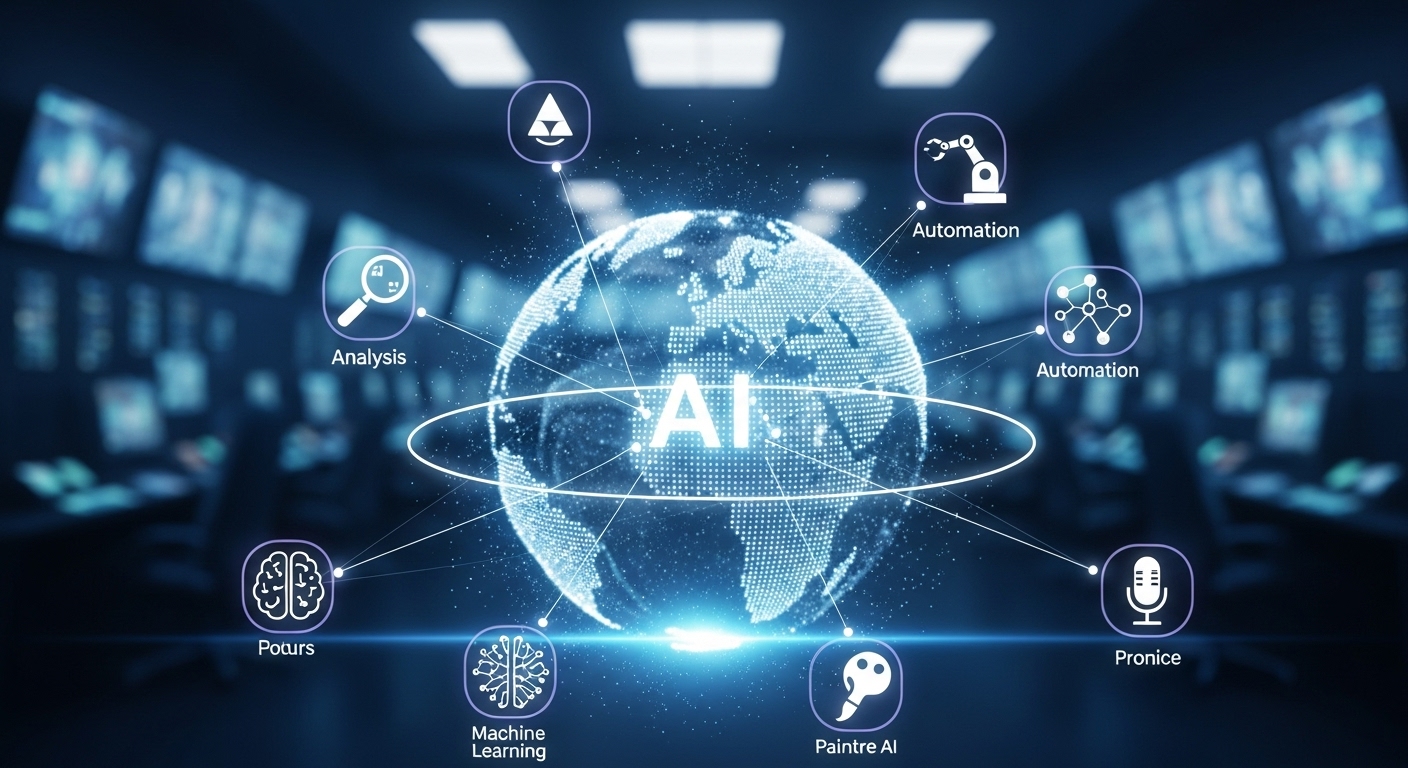
AI music generators are software applications powered by artificial intelligence that can create music with minimal human input. These systems use machine learning models trained on massive datasets of songs across various genres, learning patterns of rhythm, harmony, melody, and structure. By analyzing these patterns, the AI can produce new compositions that sound like human-made music.
Some generators specialize in instrumental tracks, while others are capable of producing complete songs with lyrics and vocals. Advanced systems even allow users to specify parameters such as genre, mood, tempo, or instruments, providing personalized compositions within minutes.
What sets AI music generators apart from traditional software is their ability to learn, adapt, and create new patterns rather than simply replicating existing templates. This level of creativity challenges conventional ideas about artistry and raises questions about the role of human musicians in the age of AI.
The Evolution of AI in Music
Artificial intelligence in music is not an entirely new concept. Early experiments with computer-generated music began in the mid-20th century when researchers used algorithms to produce simple melodies. However, the results were often mechanical and lacked emotional depth.
The evolution of deep learning and neural networks in the 2010s revolutionized the field. Models such as recurrent neural networks and transformers enabled AI to capture long-term musical structures and stylistic nuances. By training on vast libraries of music, AI systems began producing outputs that were not only coherent but also emotionally expressive.
Today, AI music generators can mimic specific genres, emulate famous artists, or create entirely new soundscapes. As technology continues to evolve, these systems are becoming more intuitive, collaborative, and capable of blending seamlessly into the music production process.
Benefits of AI Music Generators
Accessibility for New Creators
One of the most significant benefits of AI music generators is accessibility. For aspiring musicians who lack formal training, expensive equipment, or industry connections, AI provides an entry point into music creation. With only a laptop and an internet connection, users can generate professional-sounding music in minutes.
Speed and Efficiency
Traditional music production can take weeks or months, involving songwriting, arrangement, recording, and mixing. AI can dramatically reduce this timeline. Generators can instantly produce multiple tracks, enabling musicians, advertisers, and content creators to find suitable music quickly.
Cost Reduction
Professional music production often requires hiring composers, session musicians, and sound engineers. AI tools can provide affordable alternatives, particularly for independent creators or small businesses that need background tracks, jingles, or custom scores without stretching their budgets.
Creative Inspiration
AI music generators do not replace creativity but can spark it. Musicians often use AI-generated outputs as a starting point, remixing, editing, or layering human elements to create unique works. By generating unexpected melodies or harmonies, AI can help artists break creative blocks and explore new directions.
Customization and Personalization
AI allows users to generate music tailored to specific needs, whether it is a relaxing background track for meditation, an upbeat theme for a commercial, or a cinematic score for a video game. Personalization at this scale was difficult before AI, but now anyone can create music that fits their vision.
Challenges and Controversies
Authenticity and Creativity
One of the biggest debates surrounding AI music is authenticity. Can a machine truly be creative? While AI generates new compositions, they are based on patterns learned from human-made music. Critics argue that AI lacks emotional depth and lived experience, making its creations less authentic than those of human artists.
Copyright and Ownership Issues
AI-generated music raises complex legal questions. If an AI creates a song, who owns the rights? The developer of the algorithm, the user who prompted the AI, or the AI itself? Additionally, because these systems are trained on existing music, there are concerns about potential plagiarism or unauthorized use of copyrighted works.
Threats to Human Musicians
Some fear that widespread use of AI could replace human musicians, composers, and producers. While AI can lower costs for businesses, it may reduce demand for human-created music, particularly in industries such as advertising, video production, and gaming where cost efficiency is prioritized.
Quality and Emotional Depth
Although AI has improved greatly, it still struggles to match the emotional complexity of human expression. Music is not just about patterns but also about cultural context, personal experience, and storytelling—elements that AI cannot fully replicate.
AI Music in Different Sectors of the Industry
Film and Television
AI-generated music is increasingly used in film and television, particularly for background scores. Instead of hiring large orchestras for minor projects, filmmakers can use AI to produce atmospheric music quickly and affordably.
Video Games
Video games require adaptive soundtracks that change based on player actions. AI music generators are well-suited for this task, creating dynamic scores that adjust in real time, enhancing immersion without repetitive loops.
Advertising and Marketing
Brands constantly need new jingles, themes, and background tracks. AI enables advertisers to generate customized music that aligns with their brand identity and campaign goals, reducing costs while speeding up production.
Streaming and Content Creation
With platforms like YouTube, TikTok, and podcasts, content creators need royalty-free music for their projects. AI provides a vast supply of original tracks, helping creators avoid copyright issues while enhancing their productions.
Mainstream Music Production
Even professional musicians are incorporating AI into their workflows. Some use AI for songwriting assistance, while others collaborate with AI systems to experiment with new styles. Rather than replacing artists, AI often becomes a tool for innovation.
Case Studies of AI in Music
Independent Musicians
Independent artists often use AI to generate backing tracks or experiment with new sounds they might not have discovered otherwise. For example, solo musicians without access to bands or orchestras can use AI to simulate full arrangements.
Major Labels and Producers
Record labels have started experimenting with AI to analyze musical trends, predict hits, and even co-create songs. By leveraging data-driven insights, they can make informed decisions about what music is likely to succeed commercially.
Content Platforms
Platforms that provide stock music libraries increasingly rely on AI to expand their catalogs. These services use AI generators to create thousands of royalty-free tracks across different genres, providing creators with affordable music solutions.
How AI Music Generators Influence Musicians
AI music generators are influencing musicians in multiple ways. They are no longer just tools for automation but also creative partners. Some artists use AI as a collaborator, inputting their ideas and refining AI-generated melodies into complete works. Others see AI as competition, pushing them to highlight human qualities such as emotion and storytelling more strongly in their music.
For many musicians, AI is a double-edged sword. It offers new opportunities for experimentation and inspiration, but it also challenges traditional definitions of artistry and raises concerns about income and job security.
Ethical Considerations
The ethical concerns of AI music extend beyond copyright. There is the issue of cultural appropriation, as AI trained on global music traditions might replicate styles without acknowledging their origins. There is also concern about transparency, as consumers may not always know whether the music they are hearing is human-made or AI-generated.
Another ethical debate centers on honesty in artistry. If a musician releases an AI-generated track as their own creation, should they disclose it? These questions highlight the need for guidelines and ethical standards as AI continues to integrate into the music industry.
The Future of AI Music Generators
Improved Emotional Intelligence
As AI models become more sophisticated, they may develop greater ability to capture emotional nuances in music. Future AI could potentially analyze not just technical patterns but also psychological and cultural factors, creating compositions that resonate more deeply with listeners.
Collaborative Workflows
Rather than replacing musicians, AI is likely to become a standard part of creative workflows. Artists will use AI for brainstorming, generating variations, or creating accompaniments while focusing their energy on storytelling and performance.
Expansion Across Cultures
As AI music generators train on increasingly diverse datasets, they will incorporate musical traditions from around the world. This could lead to more cross-cultural collaborations and the blending of global sounds, enriching the music industry as a whole.
New Business Models
AI will create new opportunities for monetization. Musicians and businesses may license AI-generated tracks, sell AI-assisted compositions, or provide personalized music creation services. At the same time, regulatory frameworks will likely evolve to address ownership, royalties, and fair use.
Conclusion
AI music generators are reshaping the music industry in profound ways. They democratize music creation, offering accessibility, efficiency, and affordability to creators of all levels. They inspire innovation, enabling musicians to experiment with new ideas and expand their creative horizons. At the same time, they raise complex challenges related to authenticity, copyright, and the future role of human musicians.
While AI cannot replace the depth of human emotion and storytelling in music, it is becoming an invaluable tool that complements human creativity. The rise of AI music generators represents not the end of artistry, but the beginning of a new era where technology and creativity coexist.
As the music industry continues to evolve, the most successful musicians and organizations will be those who embrace AI not as a threat but as a collaborator—using its power to push the boundaries of what music can be while preserving the uniquely human elements that make it meaningful.